Bareboat Rental or Captained Boat Trip: Which Booking Fits Your Skill, Route, and Risk?
A cheaper self-drive booking can become expensive if the person at the helm is not qualified, the route is harder than expected, or the contract shifts damage risk to the renter. Before comparing photos or rates, decide who can safely and legally operate the vessel.
A bareboat rental fits confident operators on simple local routes, while a captained boat trip fits guests who want lower responsibility
A bareboat rental fits when the designated operator has recent boating experience, knows how to dock and manage traffic, and accepts responsibility for the vessel. A captained boat trip fits when the group wants sightseeing, dining stops, fishing, or a sunset cruise without making one guest the driver.
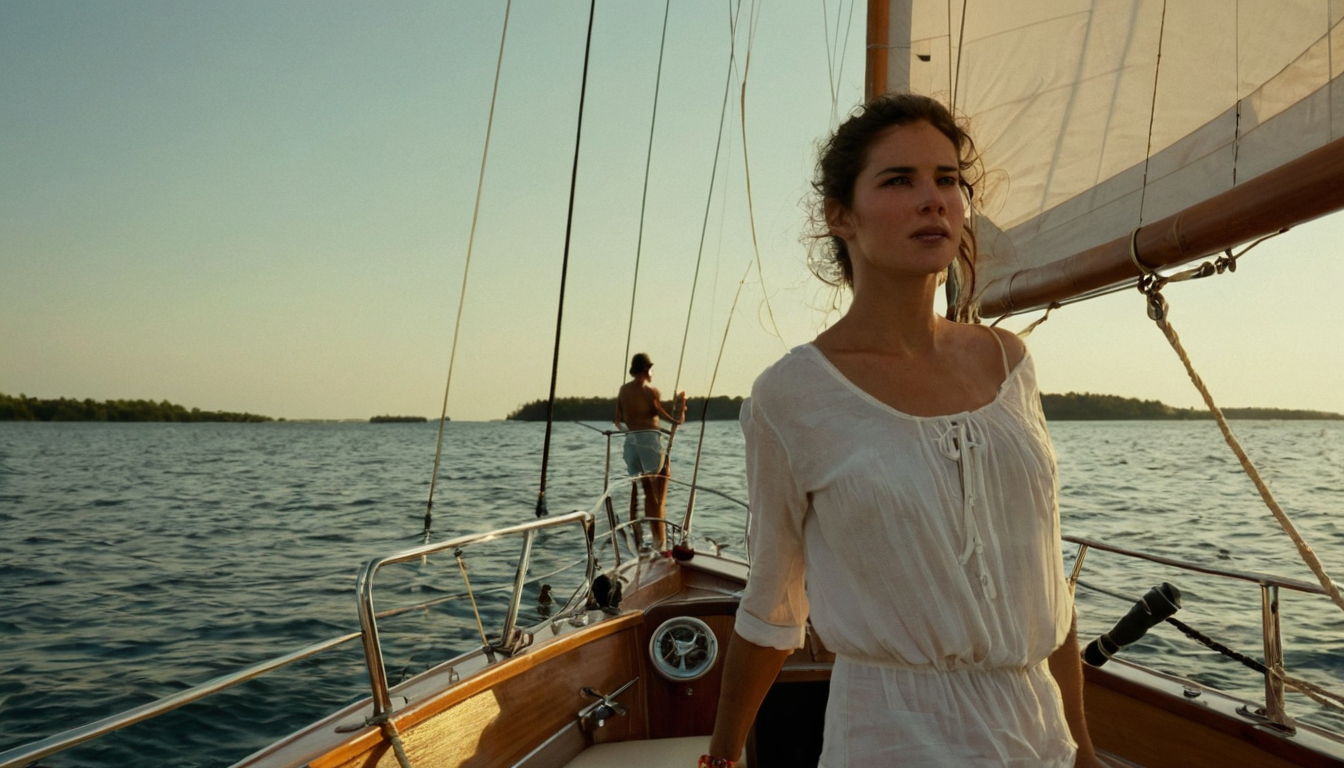
A bareboat rental fits confident operators on simple local routes, while a captained boat trip fits guests who want lower responsibility shown with practical context cues.
What decision should visitors make before searching for pontoon rentals near me?
Visitors should decide who will hold the helm before searching for pontoon rentals near me, comparing rates, or choosing a departure time. A self-drive booking can work on protected local routes, such as a short sightseeing loop, calm sandbar stop, or simple dock-and-dine plan with familiar marina access.
- Choose bareboat rental if one guest can read markers, control speed in no-wake areas, dock in wind, manage passengers, and return on time.
- Choose a captained trip if the route includes busy channels, unfamiliar slips, narrow approaches, changing weather, or guests who need the operator’s attention.
- Pause before booking if the group is choosing a pontoon boat rental only because it appears cheaper than a private cruise with a captain.
When does paying for a captain change the whole trip experience?
Paying for a captain changes the outing from equipment rental to hosted transportation on the water. The captain handles route timing, docking, navigation decisions, and weather calls while guests focus on seating, shade, photos, food, and conversation.
A bareboat rental requires the renter to meet legal operator rules and company screening policies
A bareboat rental is not a casual boat handoff; the renter may need to satisfy state boater education rules, age limits, identification checks, deposit authorization, and the rental company’s experience screen before departure.
| Requirement to verify | Bareboat rental | Captained boat trip |
|---|---|---|
| Legal operator eligibility | The renter must meet jurisdiction rules, which may vary by age, horsepower, waterway, and date of birth. | The hired captain normally carries operating responsibility, while guests follow passenger safety rules. |
| Boater education proof | Some destinations require a boater education card, permit, or temporary rental certificate. | Guests usually do not need operator credentials unless they will take the helm under the operator’s policy. |
| Company screening | The company may require a rules quiz, dockside orientation, chart review, or checkout ride. | The company may screen passenger count, mobility needs, route goals, and weather flexibility. |
| Financial responsibility | The renter usually signs for damage, late return, fuel, cleaning, and deductible exposure. | The contract still matters, but captain handling reduces guest exposure to docking and navigation mistakes. |
What documents should a bareboat rental operator bring to the marina?
The operator should bring a government photo ID, the credit card used for booking, a card that can accept the security deposit hold, and any required boater education proof. A phone photo may not be enough if the marina requires a physical card or verifiable digital certificate.
The destination rule can change the answer. For example, the Minnesota Department of Natural Resources says its boater education law applies starting July 1, 2025 and requires some adults and youth who operate motorboats, including personal watercraft, to hold a valid watercraft operator’s permit, often called a boater safety certificate. The same rules state that operators under 12 years old cannot operate a personal watercraft or a motorboat with a motor over 75 horsepower.
Ask about permits outside the boat rental itself. Fishing licenses, park entry passes, anchoring limits, mooring fees, launch permits, and protected-area rules may apply even when the rental company supplies the boat.
Accessibility questions belong before payment. Shore-side facilities may use references such as the U.S. Department of Justice’s 2010 ADA Standards, which specify a 30 by 48 inch clear floor or ground space and accessible dining or work surfaces at 28 to 34 inches above the finish floor or ground. Boats, floating docks, tide changes, and boarding gates can still create barriers, so confirm boarding steps, dock stability, restroom access, shade, and service animal policies.
Is bareboat chartering suitable for beginners in this destination?
Bareboat chartering can suit beginners only when the water is protected, the route is short, the boat is simple, and the rental company gives a real orientation. A first-time visitor should not treat renta boat listings as proof that every route is beginner-friendly.
A beginner should ask the company to name the approved operating area, no-wake zones, shallow spots, bridge limits, fuel dock process, and return procedure. If the waterway is crowded, tidal, narrow, poorly marked, or exposed to afternoon wind, choose a captain.
Route complexity is the strongest practical reason to choose a captained boat trip instead of a bareboat rental
Route complexity should drive the booking choice because open water, tide, current, bridges, shallow areas, no-wake zones, and crowded marina approaches can turn a simple rental into a stressful responsibility. In unfamiliar waters, a captained trip often buys local judgment, safer timing, and smoother docking more than luxury.
Which routes are reasonable for self-drive pontoon boat rental guests?
A self-drive pontoon boat rental works best on protected water with short distances, clear speed rules, easy turnaround points, and a marina-approved cruising boundary. The better route is usually a loop or out-and-back plan where the operator can see markers, avoid commercial traffic, and return before afternoon wind or congestion builds.
- Choose self-drive when the route stays inside the approved area and avoids inlet mouths, exposed bays, and unfamiliar narrow channels.
- Choose self-drive when the plan allows slow travel through no-wake zones without schedule pressure.
- Choose self-drive when the operator can read markers, hold position at a dock, and handle wind during the return approach.
Rental boundaries matter because many operators restrict where pontoon boats may travel. Ask for the approved route on a chart, not only a verbal description at check-in.
Which routes should push visitors toward a captain?
A captained boat trip becomes the smarter booking when the route adds decisions that a visitor cannot practice at the dock. Strong current, shifting shoals, bridge timing, narrow fairways, busy fuel docks, and crowded restaurant slips all raise the workload.

Route complexity is the strongest practical reason to choose a captained boat trip instead of a bareboat rental shown as an editorial planning reference.
- Pick a captain for long-distance cruising where weather, fuel, restroom stops, and return timing must stay coordinated.
- Pick a captain for routes near inlets, commercial traffic lanes, ferry paths, or working waterfronts.
- Pick a captain when the group wants to operate near sunset, after dark, or during event traffic, if allowed.
- Pick a captain when the route requires docking at unfamiliar marinas, rafting near other boats, or maneuvering in wind.
The real cost of a bareboat rental includes deposits, fuel, insurance exposure, and damage rules
A bareboat rental can look cheaper than a captained outing at the search-results stage, but the final comparison depends on security deposits, fuel charges, taxes, cleaning fees, damage waivers, late-return penalties, and insurance exclusions. A captained trip may cost more upfront while reducing surprise responsibility for navigation and vessel handling.
What should a rental cost comparison table include before booking?
Travelers should compare the same boat size, passenger count, route, and trip length before judging price. A low hourly rate loses value if the renter pays separately for fuel, launch time, docking delays, or a large card hold.
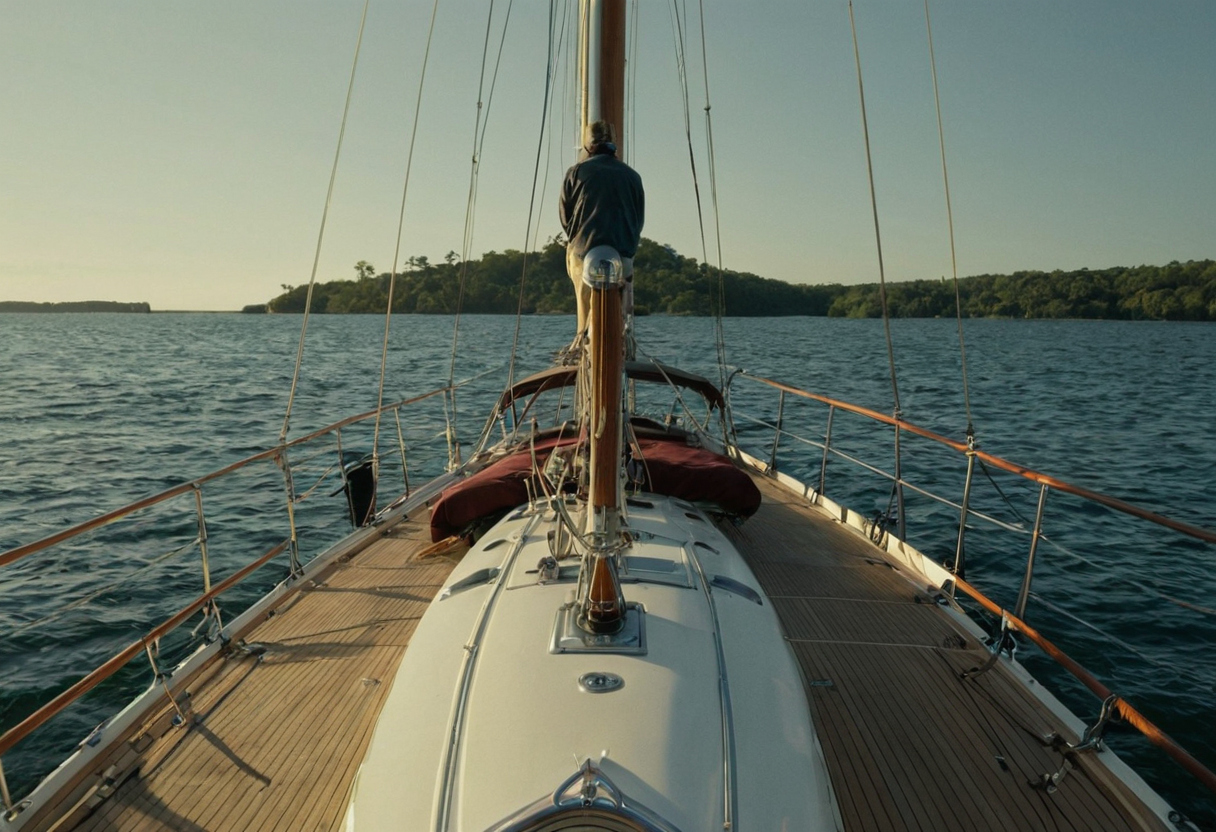
The real cost of a bareboat rental includes deposits, fuel, insurance exposure, and damage rules shown with practical context cues.
| Cost category | Bareboat rental or pontoon boat rental | Captained boat trip |
|---|---|---|
| Base rate | Often quoted by hour, half day, full day, or week. | Often quoted as a fixed cruise length or private charter block. |
| Fuel policy | Renter may prepay fuel, refill before return, or pay metered fuel after docking. | Fuel is often included for a set route, but longer routes may add a surcharge. |
| Deposit and card hold | Security deposits and card holds can be meaningful. | Deposits may still apply, but operator-handling risk usually shifts away from the guest. |
| Fees and gratuity | Ask about taxes, booking fees, cleaning fees, pet fees, and late-return fees. | Ask whether taxes, crew gratuity, marina fees, and catering cleanup are included. |
| Weather and cancellation | Weather rescheduling may depend on the operator’s cutoff rules, not the renter’s comfort level. | Captain-led trips may have clearer go, no-go, or route-change policies. |
A fair comparison uses the estimated total due at checkout plus the maximum renter exposure after return. Ask the operator to write the fuel rule, deposit amount, damage waiver cost, and cancellation terms in the reservation record before paying.
What are the risks of bareboat charter costs after the trip?
Post-trip charges usually come from damage, missing equipment, late return, excess cleaning, or fuel differences. Common items include propeller strikes, hull scratches, torn upholstery, bent ladders, lost anchors, damaged bimini tops, missing life jackets, and deployed safety gear that must be replaced.
Damage waivers need close reading because the waiver may reduce minor accidental damage exposure while excluding negligence, grounding, intoxication, towing, after-dark operation, restricted areas, or unauthorized passengers. A bareboat rental contract can also make the renter responsible for loss of use while the boat is repaired.
Renters should photograph the boat at check-in and return, including the propeller, lower unit, hull corners, upholstery, fuel gauge, anchor, lines, and safety equipment.
Safety rules and weather limits should decide whether the group can responsibly operate the boat
Safety is the deciding factor when the renter’s experience, passenger mix, and marine forecast do not line up. Families with children, older passengers, nervous guests, alcohol plans, heat exposure, wind, thunderstorms, or rough-water risk may be better served by a captain, even on an easy route.
What safety equipment should be confirmed before leaving the dock?
The renter should confirm required safety equipment for the vessel type, passenger count, and local jurisdiction before the boat leaves the slip.

Safety rules and weather limits should decide whether the group can responsibly operate the boat shown as an editorial planning reference.
- Life jackets or personal flotation devices in the correct sizes for every passenger, with child-size jackets available for children.
- A throwable flotation device when required for the vessel type.
- A fire extinguisher, sound-producing device, navigation lights, and visual distress signals when required.
- A charged phone, VHF radio, or other emergency communication method that works on the route.
- A dock briefing that covers engine cutoff, fueling rules, no-wake areas, anchoring, man-overboard response, and return procedure.
The operator should ask about alcohol rules before departure. Passengers may be allowed to drink under some policies, but the person operating the boat should stay sober and able to dock, navigate, monitor children, and respond to changing conditions.
Groups using enclosed cabins or shore-side rooms should also pay attention to cleaning odors and ventilation after vessel turnaround. The U.S. Environmental Protection Agency identifies cleaning products as common indoor sources of volatile organic compounds, so guests with sensitivities should ask about ventilation before boarding an enclosed vessel.
What weather conditions make a captained trip the safer booking?
The marine forecast should control the booking decision, not the calendar. Wind that makes docking difficult, building chop, poor visibility, lightning risk, extreme heat, fast current, or tide-sensitive access can turn a simple bareboat rental into a high-stress trip.
Ask what weather threshold triggers cancellation, rescheduling, credit, or refund, and ask who makes the final call if conditions worsen after check-in. A captain becomes safer when the group wants someone else to track storms, choose protected water, manage the dock, and adjust the route.
Use this booking checklist to choose between a bareboat rental and a captained trip
Visitors should choose a bareboat rental only after confirming legal eligibility, operator skill, route simplicity, weather tolerance, insurance exposure, and passenger needs. If any major answer is uncertain, a captained boat trip is usually the cleaner vacation decision.
Choose a bareboat rental if these conditions are true
- The named operator meets local boating education, age, identification, and rental company screening rules before check-in.
- The operator has recent experience docking, fueling, anchoring, reading markers, handling wind at the dock, and managing passengers.
- The route stays inside the approved operating area, with protected water, clear landmarks, simple turns, and no tight marina timing.
- The group can follow a fixed return time, keep children seated while underway, limit operator alcohol use, and accept a slower pace if traffic or chop builds.
- The renter understands the deposit, damage waiver, fuel policy, cleaning rules, and late-return charges.
Choose a captained boat trip if these conditions are true
- The group includes first-time boaters, anxious passengers, young children, older adults, or guests who need help boarding.
- The itinerary includes sightseeing, swimming stops, waterfront dining, sunset timing, busy channels, bridges, shallow areas, or unfamiliar marina returns.
- The trip goal is conversation, photos, and a relaxed meal rather than assigning one guest to watch depth, traffic, weather, and docking lines.
- The operator provides the captain directly or explains how the captain is selected, paid, credentialed, and covered by the booking terms.
What questions should visitors ask before they renta boat or reserve online?
- Who is legally allowed to operate this vessel in this jurisdiction?
- What documents must the operator bring to the marina?
- What route limits, no-wake zones, fuel docks, and return procedures apply?
- What safety gear is onboard, and who gives the dock briefing?
- What deposit, deductible, damage waiver, fuel charge, tax, booking fee, or gratuity should the group expect?
- What happens if wind, lightning, visibility, or rough water makes the trip unsafe?
- What cancellation window applies, and can the trip move to another date for weather?
- Is a captain available if self-operation feels risky?
FAQ
What are the biggest risks of a bareboat rental for first-time visitors?
The biggest risks are failing the operator screen, misunderstanding route limits, docking poorly in wind, entering shallow or restricted water, and accepting damage exposure without reading the contract. First-time visitors should keep the route short or choose a captain.
Is bareboat chartering suitable for beginners on protected local waters?
Bareboat chartering can suit beginners on protected local waters if the company approves the route, the boat is simple, the operator receives a full orientation, and the weather is calm. Beginners should avoid complex channels, inlet areas, and unfamiliar marina stops.
What is the difference between a bareboat rental and a captained boat trip?
In a bareboat rental, the renter operates the boat and accepts much of the responsibility for navigation, docking, timing, and damage. In a captained boat trip, a qualified operator handles the vessel while guests ride as passengers.
Do pontoon boat rental customers need a boating license or boater education card?
Pontoon boat rental customers may need a boating license, boater education card, watercraft operator permit, or temporary certificate depending on the state, age of the operator, vessel power, and local rental policy. The operator should verify the rule before booking.
Is a captained boat trip worth the extra cost for families or large groups?
A captained boat trip is often worth the extra cost when the group includes children, nervous passengers, mobility needs, alcohol plans, a tight itinerary, or an unfamiliar route. Book bareboat only when skill, route, rules, weather, cost exposure, and passenger comfort all line up.